Featured Stage
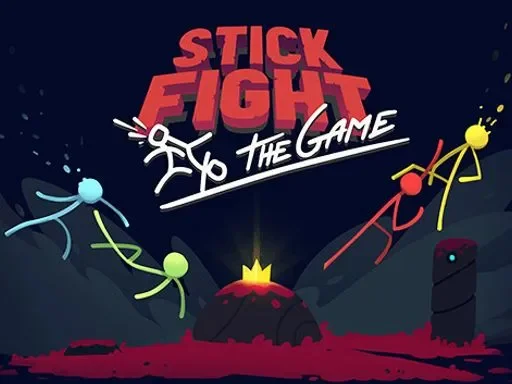
Stick Fight
What Is Stick Fight?
Stick Fight is a browser arena brawler where ragdoll stickmen trade weapons, jumps, and shield timing in fast rounds that end by knockout or ring-out.
The appeal is immediate. You enter a compact stage, a weapon is already part of the problem, and every second feels unstable in a good way. Momentum can carry you into danger, a mistimed jump can expose your whole body, and one clean hit can turn a close exchange into a sudden win. The browser build linked to Stick Fight is best understood as a WebGL version of the wider Stickman Clash formula, so the focus is less on memorizing combos and more on reading movement, terrain, and timing under pressure.
How a Match Unfolds on This Site
Start with movement, not panic
Most rounds reward restraint in the opening seconds. New players often rush forward because the arenas are small and the action looks simple, but this game becomes easier once you stop treating it like a button-mashing duel. Watch how your character leans, how the enemy advances, and how much room you have behind you before committing to a jump or a lunge. That short pause helps you understand the physics instead of fighting against them.
Win by damage or ring-out
There are usually two reliable ways to finish a round. The obvious route is to deplete the opponent's health with better spacing and cleaner weapon contact. The other route is to use the level itself. Platforms, edges, and hazards can be just as important as your current weapon. If the other fighter loses balance near a ledge, a small bump is often stronger than a reckless chase for extra hits.
The Controls That Actually Matter
Published browser versions of Stickman Clash commonly use a simple movement set on desktop: Player 1 moves with W, A, S, and D, using jump, backward movement, forward movement, and shield as the core actions. Shared-device multiplayer builds often place Player 2 on the arrow keys, and some versions add extra layouts for a third player. On mobile browsers, the same actions are usually mapped to on-screen joystick buttons. That control scheme matters because the game is built around committed inputs. Holding a direction too long or jumping too early changes your whole posture.
What makes the controls interesting is that they are small in number but large in consequence. There is no giant move list to memorize. Instead, you learn when to advance, retreat, hold shield, and let the physics settle before acting again. In practice, that means a patient player can look much sharper than a faster one.
Why the Physics Feel Wild
Stick Fight works because movement is never perfectly tidy. Characters wobble, recoil, and overextend. Weapons can feel powerful, but they also create commitment. If you swing while leaning too far forward, you may land the hit and still drift into a worse position right after. If you jump without considering the platform, you can hand the opponent a free counter or drop straight into a trap. That constant risk gives every small decision weight.
The arenas add another layer. Public game descriptions for Stickman Clash emphasize random stages, platform layouts, and environmental danger, and that is exactly the kind of pressure that keeps rounds lively. One map asks you to respect narrow footing, while another gives you room to bait attacks. Some stages are best played aggressively because you can corner the enemy quickly. Others reward defense because one bad chase sends you off the platform first.
Practical Tactics for Longer Win Streaks
Use short hops instead of full commitment
A compact jump tells you more than a desperate leap. Short movement lets you test the opponent's reaction and keeps your recovery time manageable. If the enemy swings early, you can land, reset, and punish. If you jump too far, you usually give up the ability to correct your angle before impact.
Block before you counter
The shield is easy to ignore until you face someone who uses it well. Strong players do not treat shielding as passive play. They use it to absorb a bad approach, stop the round from getting messy, and create a cleaner counter window immediately after. In a physics-heavy fighter, surviving the first collision is often more important than starting it.
Let the arena do part of the work
You do not always need the perfect weapon string to win. Positioning the enemy near a drop, trapping them on a small platform, or forcing them to jump from an awkward angle can decide the round without a long exchange. That is why over-chasing is a common mistake. Many losses happen because the leading player keeps pressing instead of making the other side solve a bad position.
A Quick Note on Origin and Release Context
Current mobile store listings credit Stickman Clash to GIVE UP or GIVE UP GAMES FZCO, and browser portals describe it as a ragdoll stickman fighting game built for short matches, multiple players, and an oversized weapon pool. Play-Games.com lists its browser publication date as June 2, 2025, which helps place this Web build in the recent wave of mobile-to-browser stickman action releases. That does not make every portal identical, but it does explain why the browser version feels optimized for fast starts and immediate rematches.
It also helps explain the game's tone. This is not a serious martial arts sim, and it is not trying to be one. The design goal is readable chaos: enough control to make skill matter, enough instability to keep every round funny, and enough variety in weapons and maps to make rematches feel different rather than repetitive.
Frequently Asked Questions
Is Stick Fight free to play in the browser?
Yes. The browser version on sites like this is typically free to launch, though some portals may include ads or slightly different menu wrappers around the same core game build.
Can I play alone, or do I need another person?
You can usually play solo against computer-controlled opponents. Many versions also support local multiplayer on the same device, which is where the fast rounds and ragdoll physics become especially entertaining.
Does the game work on phones and tablets?
Most modern browser releases are designed for desktop, mobile, and tablet access. On touch devices, movement and defense are generally mapped to virtual controls instead of a physical keyboard.
What is the most common beginner mistake?
The biggest mistake is rushing forward every round without reading the stage or the opponent's balance. New players often lose not because they attack too little, but because they commit before the physics have settled.
Are there different weapons and maps?
Yes. Public descriptions of Stickman Clash consistently highlight a wide weapon selection and varied arenas. That changing equipment and map structure is a major reason the game stays fun over repeated short sessions.
Is this the same game as the PC title Stick Fight: The Game?
No. This browser page is tied to the Stickman Clash-style WebGL game line, not Landfall's separate PC party game. They share a stick-figure combat theme, but they are different releases with different controls and platform histories.
How do I improve quickly?
Focus on three habits: stop over-jumping, hold shield before panic sets in, and pay more attention to platform position than to flashy attacks. Once those habits become natural, the rest of the game opens up quickly.
Why It Works in Short Sessions
Stick Fight is easy to return to because it does not waste time. You can learn something useful in a minute, finish a satisfying match in a few more, and want another round because the loss felt fixable. If you want a browser action game that turns simple inputs into funny arena battles, this one does the job very well.
Comments
Loading comments…